

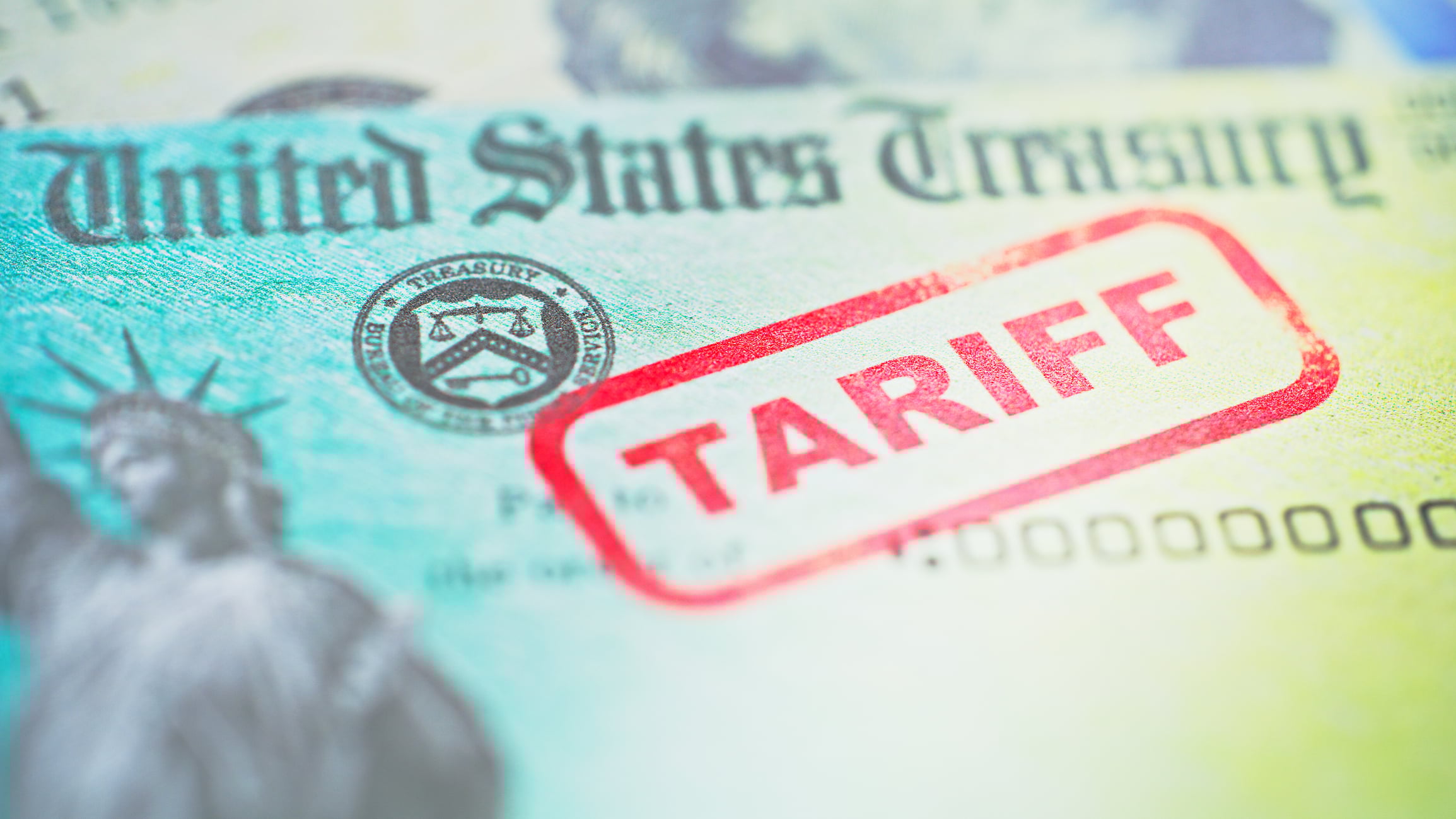
On February 20, 2026, the Supreme Court held, in a 6-3 decision, that the president’s use of IEEPA tariffs — particularly the so-called Liberation Day tariffs — was unconstitutional.
In the aftermath, major companies have flooded the courts with lawsuits demanding refunds for the tariffs they’ve already paid. This comes on top of others who filed refund claims earlier, betting (correctly) on this outcome.
It all sounds like welcome news for consumers who’ve shelled out more for the same stuff lately. But will those refunds actually trickle down from businesses to their customers? Or will companies just pocket the windfall?
To figure this out, let’s review how tariffs actually get collected in the United States. Before goods can enter the country, the importer must clear them through U.S. Customs and Border Protection (CBP). That means filing an entry summary, where duties and tariffs are calculated using the appropriate codes from the Harmonized Tariff Schedule (HTS).
Once the importer pays the tariffs and passes inspections, the goods are released into U.S. commerce. But CBP has up to 314 days to revisit and adjust the tariff amount if the importer got the HTS codes wrong. After that window closes without action, the entry is “deemed liquidated” — the calculation is final.
Liquidation status matters because it dictates how importers can challenge the tariffs and seek refunds. For unliquidated entries, they can file a Post-Summary Correction (PSC) with CBP. If the PSC is accepted, a refund will be issued. For liquidated entries, the importer must file a formal protest within 180 days of liquidation. If denied, they get another 180 days to sue in the U.S. Court of International Trade.
Crucially, any refund goes to the importer of record — not the final consumer downstream.
Take a simple case: You import a widget directly from overseas, pay the IEEPA tariff to clear customs, and get it released. As the importer of record, you can pursue a refund via PSC, protest, or lawsuit.
Now let’s look at the more common scenario: You buy that imported widget at a store. Proving the price hike was purely from the tariff is already an uphill battle. Even if you could, you can’t ask the CPB because you are not the importer of record. You would have to ask the store.
There’s a slim chance the store plays nice. FedEx, one of the large companies suing for refunds, has pledged to return any tariff refund it recovers back to shippers and customers who paid them.
But don’t count on, especially from a small business. They might offer creative excuses, tell you to pound sand, or suggest you take it up with Trump personally. And if the store bought from a distributor or middleman? Then the store isn’t the importer of record, so they will not get a refund from the CBP.
The people most likely to see actual tariff refunds are those who paid CBP directly or businesses with explicit policies to rebate customers. But if you snagged a fake Labubu doll at the local flea market, you’re probably out of luck.
Steven Chung is a tax attorney in Los Angeles, California. He helps people with basic tax planning and resolve tax disputes. He is also sympathetic to people with large student loans. He can be reached via email at stevenchungatl@gmail.com. Or you can connect with him on Twitter (@stevenchung) and connect with him on LinkedIn.
The post Supreme Court Kills IEEPA Tariffs — Importers Cheer, Consumers … Not So Much appeared first on Above the Law.